Farmboy, Reporter, Tree Warrior, Writer
David E. Kendall
I’m a farm-boy who dropped the pitchfork and picked up the pen. My first 10,000 stories were published in the Toronto Sun Newspaper where I was a staff reporter for 21 years.
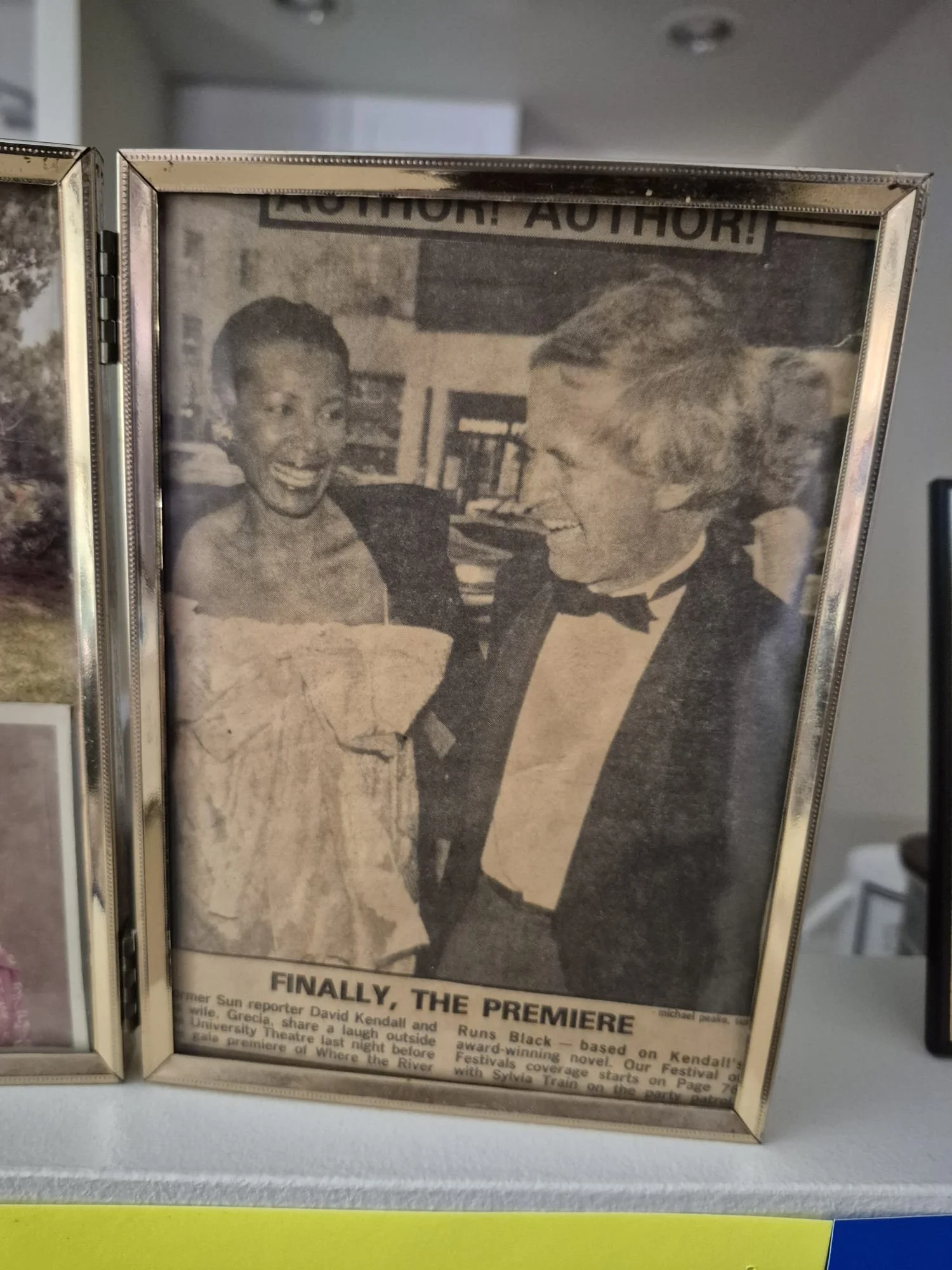
ME IN BRIEF: A farm boy who became a professional writer. Six dreary years at a Christiaan Brothers school in downtown Toronto. Eventually, sallied forth an exiled PhD student in Spanish literature out of Michigan State University, only to stumble into 27 years of fulfillment as a reporter at the Toronto Sun Newspaper. Took an unpaid leave every five years to research and scribble in the Third World, accompanied always by my soulmate Grecia Mayers. Won $25,000 as the top first-novel in Canada with LAZARO in 1983. That tale came out three years later as an MGM feature motion picture, a gala at TIFF, titled 'Where The River Runs Black'. Visited or resided in the places described in my novels, from the Amazon Jungle to north of the Arctic Circle, from Cuzco to Nauru, from Halifax to Hong Kong, from Toronto to Washington.
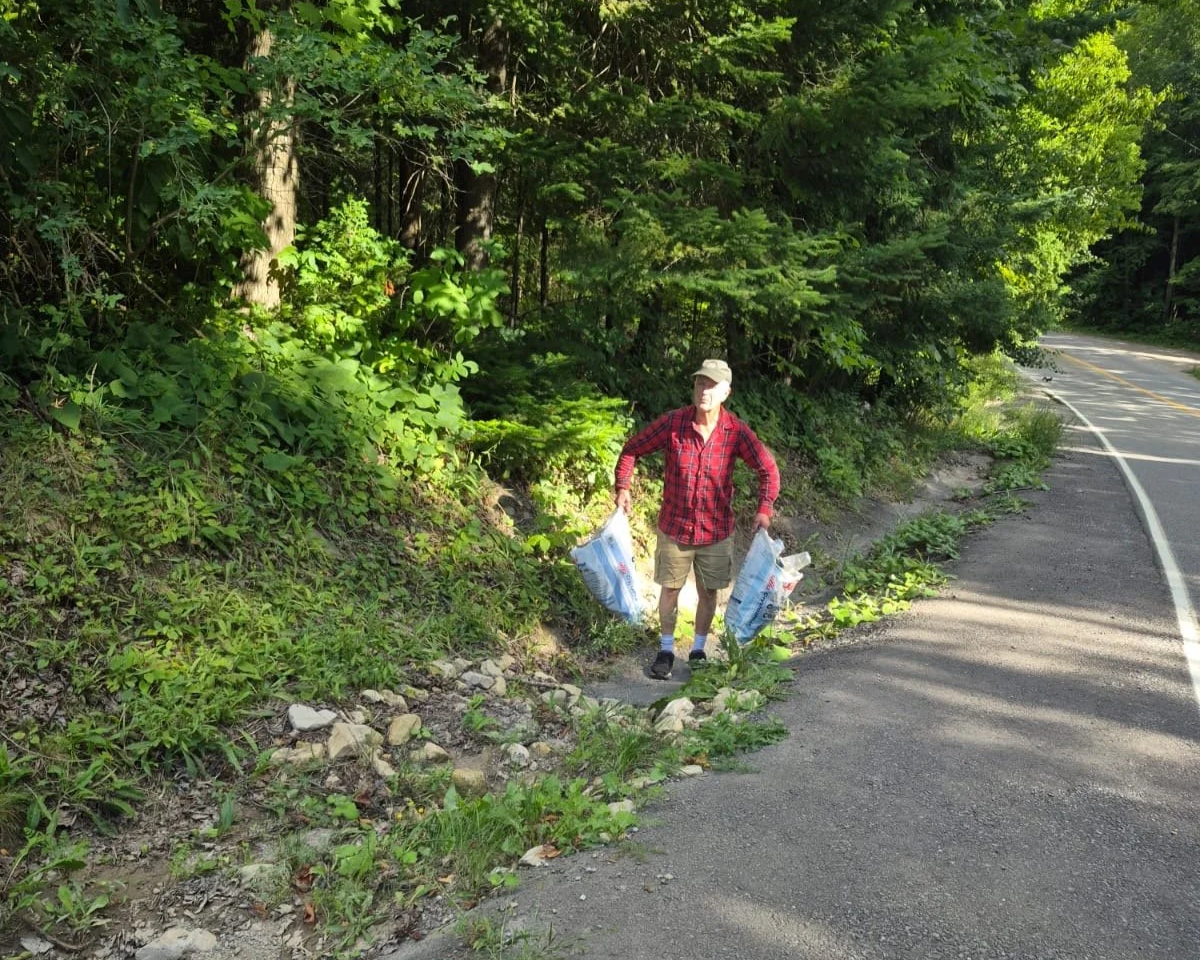
ME LESS IN BRIEF: Nope, I'm not Mr. Nice-Guy. I love trees ahead of people. Were I world dictator, In would impose a one-child policy. Or--a reluctant compromise--a two-child dictum.
I am childless, married, and over eighty years old, so perhaps it is easy for me to say these things. But we humans have become a plague. We are a forest, air, water, animal, fish, bird, and insect annihilating predation.
As a farm boy an hour northwest of Toronto I trapped groundhogs and earned twenty-five cents a carcass. The horses and cattle could break their legs tripping in the burrows, so... good-bye groundhogs. I beheaded a Muscovy duck every Saturday. I helped do nasty operations on cows and pigs.
Nope, I'm no vegan. I eat meat or fish most days of the week--admittedly in small amounts. I recognize that I am a predator. In some ancient era, my ancestors and yours decided that god created life and nature for us to eat and ravage. Exactly what moral reasoning the ancestors used to stipulate that my human life is worth more than that of a mouse or a tree eludes me. But even the most scrupulous, veggie-chewing, bike-riding, nature-lover is a destroyer of Nature. We cut forests to build our homes, spew CO2 gas to create our tools and provide transport and winter warmth, dine on crops and herds grown where trees once flourished. We are, each of us, participant in the Sixth Extinction.
And every time e bear a child, we heighten the toll.
Assuming homo sapiens evolved into existence as a separate species some hundreds of thousands of years ago, we existed on equal terms with the rest of nature until 7,000 years ago. Stone and bone-tipped spears preserved us against talons, fangs, mighty muscles, thick skins, and swift legs.
Then came that extraordinary idea--the Fertile Crescent of Mesopotamia (parts of Syria, most of Iraq and southeastern Turkey). The birth of agriculture. The birth of food-grain storage, domesticated animal stock, metal, wool looms, and irrigation. The birth of civilization. We could stop being nomads and scavengers like the other creatures. We could huddle on one spot and it would feed us. We could increase and multiply.
The world's human population only five centuries ago reached half a million. Just into the 1800s we hit the first billion. In 1940--the year I was born--there were 2.3 billion people. In the year 2025 we hit 8 billion. Based on that quantum leap, eight years from now the world will house 25 billion of us.
Which, of course, it cannot do. Not unless we're ready to exist inhaling filtered air, consuming artificial food bought with rations, and anchored in a hot and sterile world where 10,000 species have been eliminated.
Think of this: Canada, ghe world's second largest country, could today welcome a hundred million immigrants. In so doing, we could, for example, reduce crowded India from 1.4 billion people all the way down to 1.3 billion. Gone would be our 'wide, open spaces'. And India would remain flooded with its own people.
Make no mistake: I love India. Back in the hippie days, I landed in Delhi, fleeing Michigan State University and the profs and books that so consumed y life. I stared out the plane window as we landed and my courage quailed. I'd told friends and family I'd stay a month in India, a month in Pakistan, and a month in Afghanistan. Yikes! So, I checked my tremulous soul into the most expensive hotel in town--fifty dollars a night back in the late 1960s--where three different Dalit men took turns toting my meagre suitcase to my lavish room. My timid plan: I'd spend all my money and flee back home saying I'd run out of funds.
But on the tourist train to the Taj Mahal in Agra the following day, I met an American woman. She loved India. She told me she was spending thirty-five cents a day for her hotel. She was flying back to her university in the US in two days. So, I moved into her hotel--no, not her room!--the following morning, just in time to say thank you and good-bye. And from that moment onI was in love with India.
I stayed nine months, existing on a dollar a day, until I was virtually penniless and hitched my way back to relatives in Europe. I rode from Herat, Afghanistan, atop an empty Iranian oil truck all the way to Tehran. Then sped from Istanbul to Berlin in a Mercedes driven by four drug-smugglers. Relatives in England loaned me funds to make it the rest of the way home.
Since India's kind teachings, I've spent much of every fifth year of my life back-packing through the Third World nations of South America and Asia. They're cheap and they're real. And over the years they've become plastic-coated. Hotter. And more crowded.
All of which makes me contrite over those trapped groundhogs. Leaves me praying that the chicken I'm eating had a decent life until the final day. Renders me thankful that Grecia and I, in not replicating ourselves, have made the single biggest contribution any ordinary citizen can give to the natural world. Yes, it has steered me into penning ecological thrillers in hope that readers will embrace the real victim of rampant predation: Mother Earth.